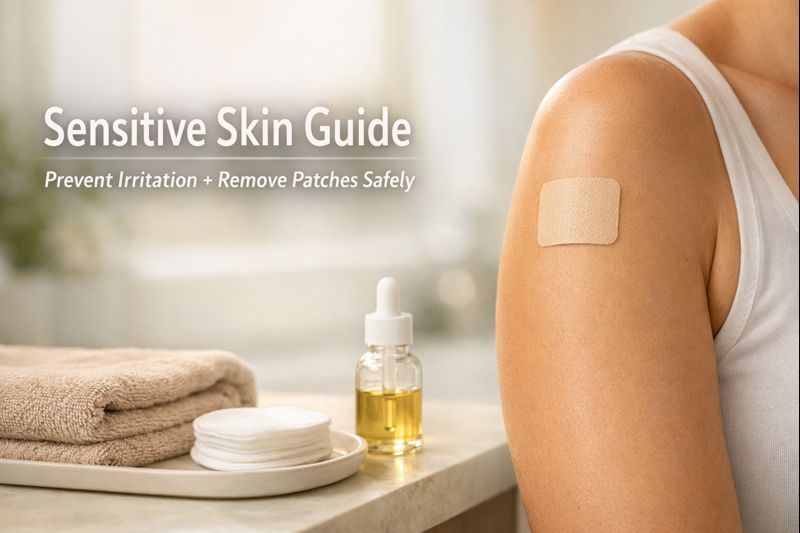
If you have sensitive skin, it’s normal to wonder:
- “Will this irritate my skin?”
- “What if I get redness or itching?”
- “How do I remove it without tearing my skin up?”
Skin irritation from a patch can happen for different reasons — adhesive sensitivity, friction, sweat, or leaving it on too long.
This guide covers simple, practical tips to reduce irritation, rotate placement, and remove patches gently so you can stay consistent (results vary).
Disclaimer: This content is for general educational purposes and is not medical advice. If you experience severe irritation, blistering, swelling, or signs of an allergic reaction, remove the patch and seek medical advice.
Quick start
- Not sure where to begin? Start Here →
- If you wear patches at night: Sleep Patch Hub →
- If you wear patches during stressful days: Stress Relief Patch Hub →
- Shop / Sample Pack: https://mypatchworks.com/pricing
First: what “irritation” usually looks like
Common mild reactions can include:
- redness where the adhesive touched
- mild itching
- a temporary outline/mark
- slight sensitivity after removal
These often fade with time — especially if you rotate placement and remove gently.
But if you notice:
- strong burning
- blistering
- swelling
- widespread rash
- trouble breathing
that’s not normal. Remove the patch and get medical help.
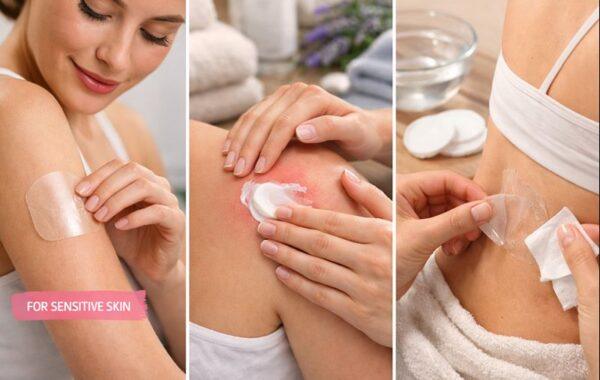
The 7 best ways to prevent skin irritation
1) Apply to clean, dry skin (no lotion)
This is the #1 prevention step.
Before applying:
- wash and dry the area
- avoid lotion, oils, sunscreen, or body butter on that spot
- avoid applying right after heavy sweating
Adhesive + lotion often increases irritation and peeling.
2) Avoid high-friction spots
Friction makes irritation worse.
Avoid:
- waistbands
- bra lines
- seams that rub
- areas that fold constantly
Choose flatter skin where clothing won’t “saw” the edges.
3) Rotate placement (don’t reuse the same spot daily)
If you use the same spot every day, you increase irritation risk.
Simple rule:
✅ rotate to a new nearby spot each day
(example: left side → right side → slightly above → slightly below)
If you’re using nightly routines, this matters a lot:
4) Don’t apply to irritated or broken skin
Skip areas that are:
- already red
- scraped
- sunburned
- freshly shaved
- healing from another adhesive
If you shaved, wait until skin is calm before applying.
5) Let it “set” after applying
After applying:
- press firmly for 20–30 seconds
- smooth the edges
- avoid tugging/rubbing for a few minutes
This reduces edge lifting (which can cause friction and irritation).
6) Keep sweat + heat in mind
Heat and sweat can increase irritation for some people.
If you’re sweating a lot:
- choose a lower-sweat placement
- avoid tight compression over the patch
- pat dry after workouts instead of rubbing
7) Start small if you’re very sensitive
If you’re worried you react easily:
- start with fewer days
- rotate placement aggressively
- consider a sample pack to test without committing
How to remove a patch safely (without ripping your skin)
The biggest mistake is peeling it off quickly like a bandage.
Use the slow method:
Step-by-step gentle removal
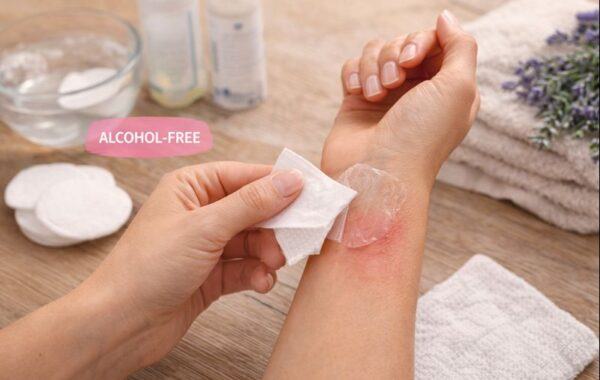
- Peel slowly, keeping it low and close to the skin (not straight up)
- If it’s stubborn, warm water can help loosen adhesive
- Pat the area dry afterward
- If skin is irritated, give that spot a break and rotate elsewhere next time
Optional comfort tip:
- a warm shower can make removal easier
- don’t aggressively scrub the area after removal
What to do if you get redness or itching
If it’s mild:
- remove the patch
- wash the area with gentle soap and water
- let the skin rest
- rotate placement next time and avoid that exact spot
If it gets worse or doesn’t improve:
- stop use and consult a healthcare professional
If you’re using patches for stress or sleep (extra tips)
For stress support (daytime)
Sweat + friction are more common (workdays, movement), so:
- choose low-friction placement
- rotate spots often
- avoid placing under tight waistbands
- Stress Relief Patch Hub →
For sleep support (nighttime)
Irritation can happen from:
- sleeping on it
- rolling friction
- applying to the same spot nightly
So rotate placement and choose a flatter area you won’t lay directly on.
Bottom line
Sensitive skin doesn’t mean you can’t build a patch routine.
Start with the basics:
- clean, dry skin
- avoid friction zones
- rotate placement
- remove slowly
- rest irritated spots
That’s how you reduce irritation and stay consistent (results vary).
Next steps
Disclaimer: This content is for general educational purposes and is not medical advice. Results vary by person.