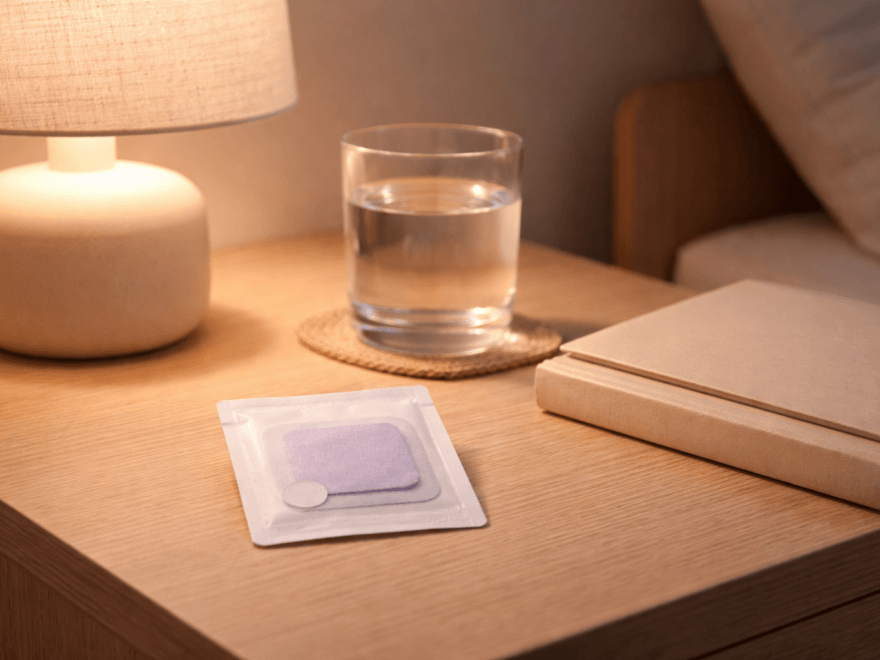
If you’re searching for the best sleep patch for adults, you’re probably not looking for hype.
You’re looking for something simple that fits real life:
- you want to fall asleep faster
- stay asleep longer
- wake up feeling more rested
- without turning bedtime into a science project
This guide walks you through what to look for before you buy, how to compare options, and a beginner routine you can actually stick with (results vary).
Disclaimer: This content is for general educational purposes and is not medical advice. Patches aren’t intended to diagnose, treat, cure, or prevent disease. Results vary by person.
Quick start (recommended)
- Sleep education + routines: Sleep Patch Hub →
- New to patches? Start Here →
- Shop / Sample Packs & pricing: https://mypatchworks.com/pricing
First: what “best” really means for sleep patches
The “best” sleep patch isn’t the one with the biggest claims.
It’s the one that helps you build a routine that is:
- consistent
- trackable
- comfortable on your skin
- realistic for your schedule
Because sleep improvements usually come from consistency — not a one-night miracle.
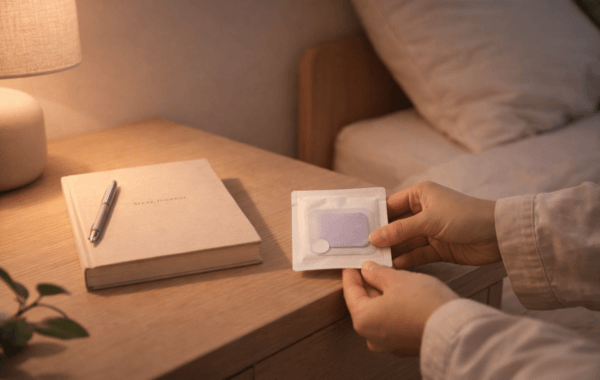
What to look for before you buy (the practical checklist)
1) Clear goal: falling asleep, staying asleep, or waking up better?
Most adults have one main sleep problem:
Falling asleep (can’t shut off)
You’re tired, but your mind won’t slow down.
Staying asleep (wakeups)
You fall asleep fine, but wake up repeatedly.
Waking up unrested (light sleep / poor recovery)
You “slept,” but it didn’t feel restorative.
Knowing which one is your main problem helps you choose the right routine — and avoids disappointment.
Start here:
2) A brand that encourages routine + tracking (not just hype)
A trustworthy sleep system usually includes guidance like:
- when to apply (consistent bedtime window)
- how to track results for 7 nights
- what to adjust if you don’t notice changes
- realistic “results vary” language
If a product promises guaranteed results for everyone, that’s a red flag.
3) Comfort + adhesion (you won’t stick with it if it annoys you)
Sleep patches only help if you actually wear them consistently.
Look for:
- comfort while sleeping
- low-friction placement (not where you roll on it)
- skin-friendly best practices (clean, dry skin; rotate placement)
If you have sensitive skin, this helps:
4) Transparent policies (returns + shipping)
Sleep is personal, and it’s normal to be cautious.
Before you buy, check:
- shipping/tracking expectations
- return/exchange clarity
- support contact
Helpful pages:
5) A low-risk way to start (sample packs)
If you’re unsure, the “best” move is often not buying a huge bundle.
It’s starting small, tracking for 7 nights, then deciding.
What to ignore (common distractions)
“Best” claims without context
If you don’t know:
- how the person used it
- how long they tested
- what their sleep problem was…
then it’s not a useful comparison.
One-night results
Sleep varies night to night. Judge trends over a week.
Overcomplicated stacks
Most adults do better starting with one sleep-focused routine before stacking multiple goals.
The simplest starter routine (7 nights, no guessing)
Step 1 — Pick a consistent bedtime window
Choose a realistic “wind-down start time,” like:
- 30–60 minutes before sleep
The routine matters more than perfection.
Step 2 — Do the same wind-down steps nightly (keep it boring)
Pick two:
- dim lights
- phone on charger (not in bed)
- 6 slow breaths (long exhale)
- light reading / calm audio
- warm shower
Consistency beats intensity.
Step 3 — Track these 3 sleep signals for 7 nights
This takes 15 seconds:
- Time to fall asleep: fast / medium / long
- Wakeups: 0 / 1–2 / 3+
- Morning rating (1–10): ___
After 7 nights, you’ll have real data.
For more sleep routines:
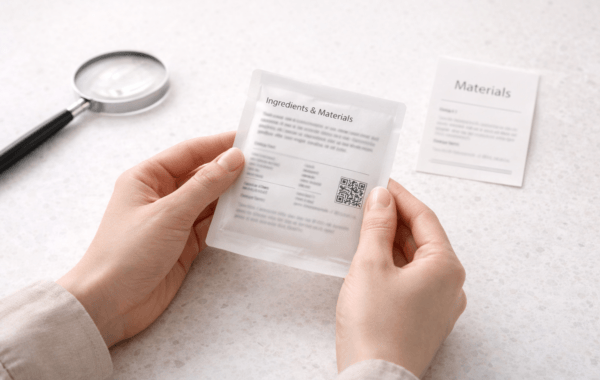
How to compare sleep patch options (the smart way)
When choosing between options, ask:
- Is the routine clearly explained?
- Do they encourage a 7-night test?
- Is comfort/skin guidance included?
- Are policies clear?
- Is there a simple starter option?
If you answer “no” to most of those, it’s probably not the right choice.
If your sleep problem is actually stress
A lot of “sleep issues” are stress issues.
If you can’t shut off at night, you may want to pair sleep support with calm support:
(Keep it simple: calm + sleep is the most common beginner stack.)
Bottom line
The best sleep patch for adults is the one that helps you build a routine you can repeat.
Look for:
- clear goal (fall asleep / stay asleep / wake up better)
- routine + tracking guidance
- comfort and skin best practices
- transparent shipping/returns
- a low-risk starter option
Ready to start simple?
Disclaimer: This content is for general educational purposes and is not medical advice. Results vary by person.