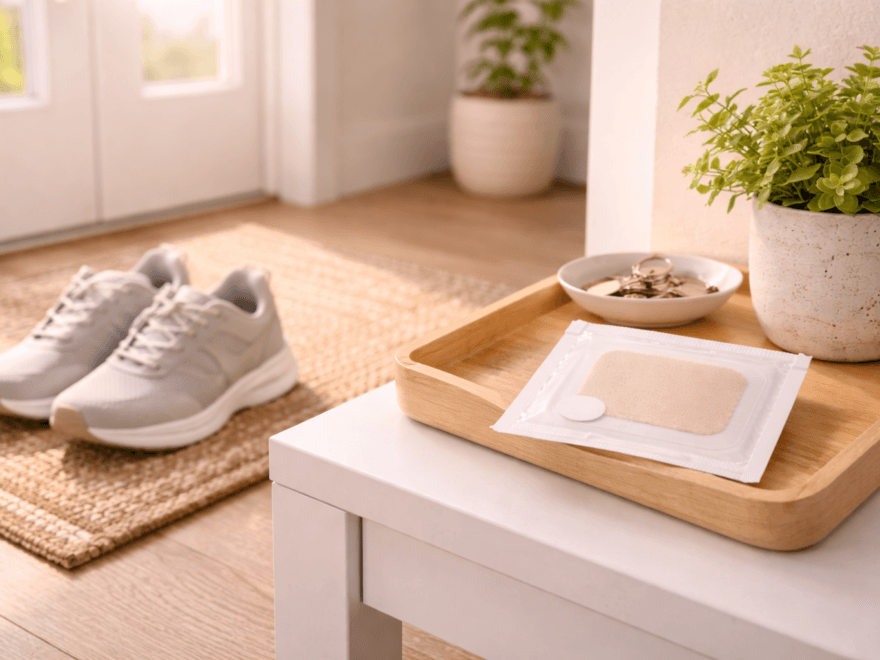
If you’re searching for the best balance patch, you’re probably not looking for a gimmick.
You’re looking for something that supports stability in real life—whether that means:
- feeling steadier during daily movement
- improving confidence with walking or stairs
- staying stable during workouts
- building a simple routine that reduces wobble and hesitation(Results vary.)
This guide covers what to look for before you buy, what to ignore, and the simplest stability routine you can test for 7 days.
Disclaimer: This content is for general educational purposes and is not medical advice. If you have frequent falls, dizziness, new weakness, numbness, or worsening balance issues, consult a healthcare professional.
Quick start
- Balance routines and basics: Balance Patch Hub →
- New to patches? Start Here →
- Pricing / sample options: https://mypatchworks.com/pricing
First: what “best” means for balance support
“Best” doesn’t mean:
- the loudest marketing claim
- the most complicated system
- the fastest “overnight transformation”
The best balance support is the option that helps you build:
- a repeatable routine
- small daily stability practice
- consistent tracking
- steady improvement over time(Results vary.)
Balance is a skill. Routine matters.
What to look for before you buy (the practical checklist)
1) Clear goal: what kind of “balance” are you trying to support?
Balance issues usually fall into one of these categories:
- Everyday stability: walking, standing, stairs
- Movement confidence: less hesitation, less wobble
- Workout stability: better control during training
- Fatigue-related balance: you feel less stable later in the day
Knowing your main goal helps you choose the right routine and track the right outcomes.
Explore goal-based routines here:
2) Routine guidance (not “magic placement” claims)
Be cautious of products that imply:
- one perfect spot fixes everything
- instant guaranteed results
- dramatic claims without any routine advice
Green flags:
- simple daily routine suggestions
- encouragement to track outcomes
- realistic “results vary” language
3) Skin comfort + consistent wear
Balance support requires consistency.
So look for:
- comfort (won’t irritate or distract you)
- simple placement guidance (low friction)
- reminders to rotate placement if needed
If you have sensitive skin, link:
4) Clear policies (shipping, returns, support)
Because balance support is personal, trust matters.
Before buying, check:
- shipping and tracking clarity
- return/exchange policy
- support contact options
Your internal trust pages (if published):
5) A low-risk way to start
If you’re unsure, start with a simple option you can test and track.
What to ignore (common distractions)
“Best balance patch” lists that don’t mention routines
Balance doesn’t improve from hype alone—it improves from consistency plus small daily practice.
One-day tests
Balance varies based on sleep, stress, hydration, and fatigue.Judge trends over 7 days.
Overcomplicated stacks
Start with one balance-focused routine first.Add another goal only if you have a clear reason (like comfort or energy).
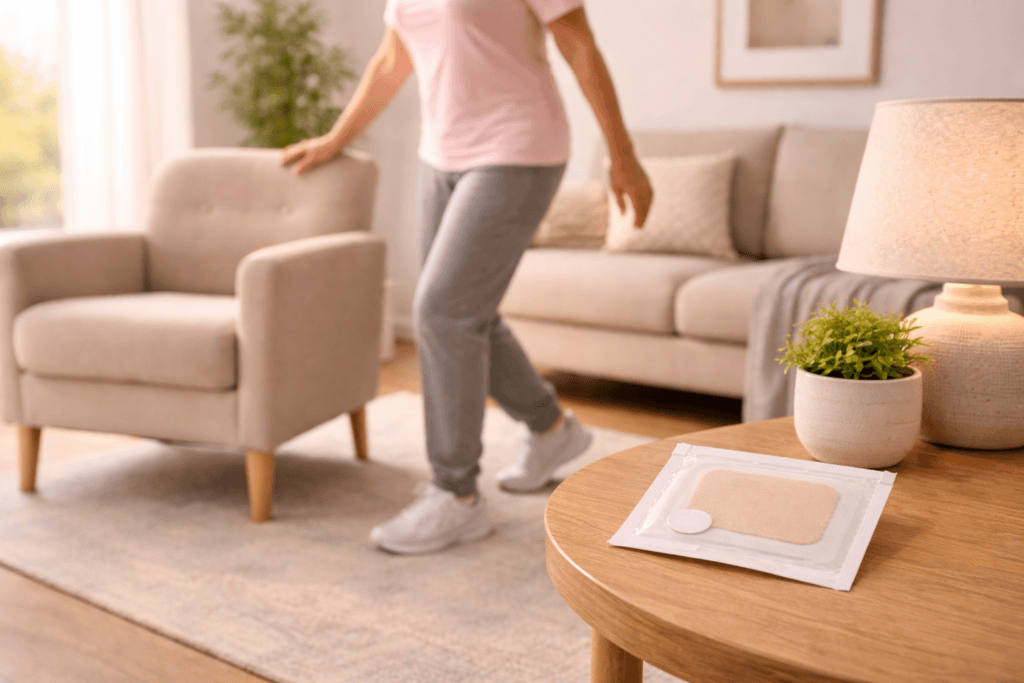
The 7-day “stability routine” (simple and testable)
If you want the clearest answer, do this for one week.
Step 1 — Pick a consistent daily time
Best options:
- morning (fresh nervous system)
- midday (reset)
- evening (wind-down + stability practice)
Choose the time you’ll actually repeat.
Step 2 — Do a 2-minute stability practice daily
This is the part most people skip—but it’s what makes balance improvements measurable.
Try this simple sequence:
- Stand tall, feet hip-width (20 seconds)
- Slow weight shifts left/right (20 seconds)
- Single-leg support practice (10–20 seconds each side, use support if needed)
- Slow heel-to-toe walk (20 seconds)
Keep it easy. You’re training consistency, not intensity.
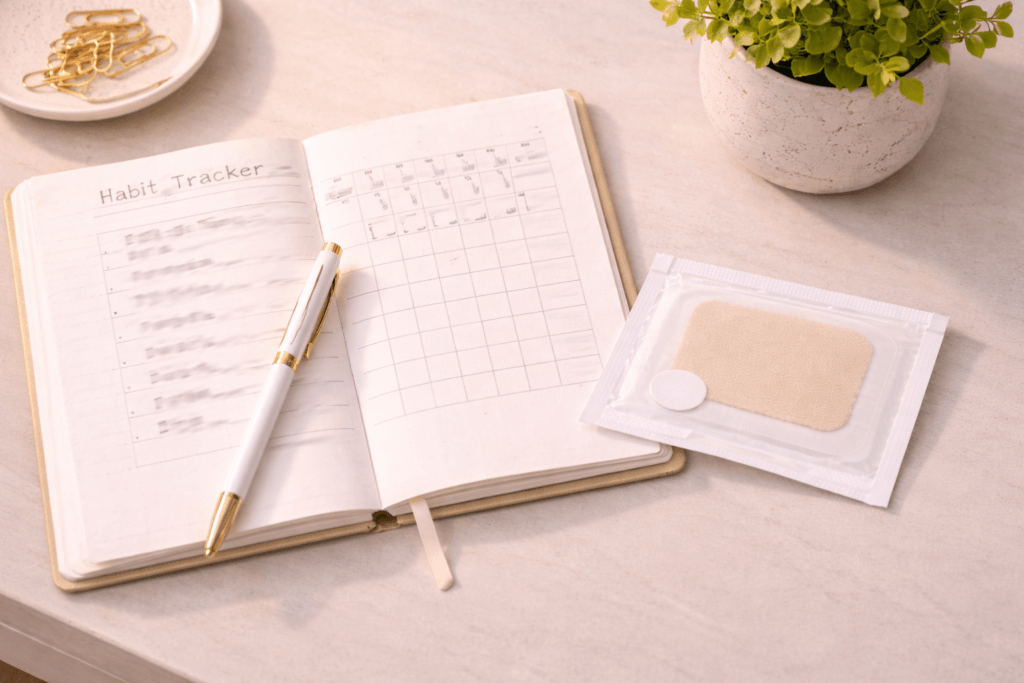
Step 3 — Track these 3 signals daily (15 seconds)
- Stability confidence (1–10): ___
- Wobble/hesitation today: low / medium / high
- Later-in-day stability: better / same / worse
Optional:
- Any “near slips” or missteps? yes/no
- Energy level (1–10) (fatigue affects balance)
After 7 days, you’ll know if you’re trending steadier.
Step 4 — Adjust ONE variable after the week
Choose one:
- change your practice time (morning vs evening)
- improve consistency (same schedule daily)
- pair balance with a supporting goal (only if needed)
When stacking helps balance (simple rule)
If you’re building stability and you also notice:
- discomfort limits movement → consider pairing with comfort support
- fatigue is the main issue → consider pairing with energy support
- stress makes you feel shaky → consider pairing with calm support
Start with balance first. Add one goal later if tracking shows a clear limitation.
Bottom line
The best balance patch is the one that supports a routine you’ll actually follow.
Look for:
- clear goal + realistic expectations
- routine guidance + tracking
- comfort and skin-friendly wear
- trustworthy policies
- a low-risk way to start
Next steps:
Disclaimer: This content is for general educational purposes and is not medical advice. Results vary by person.