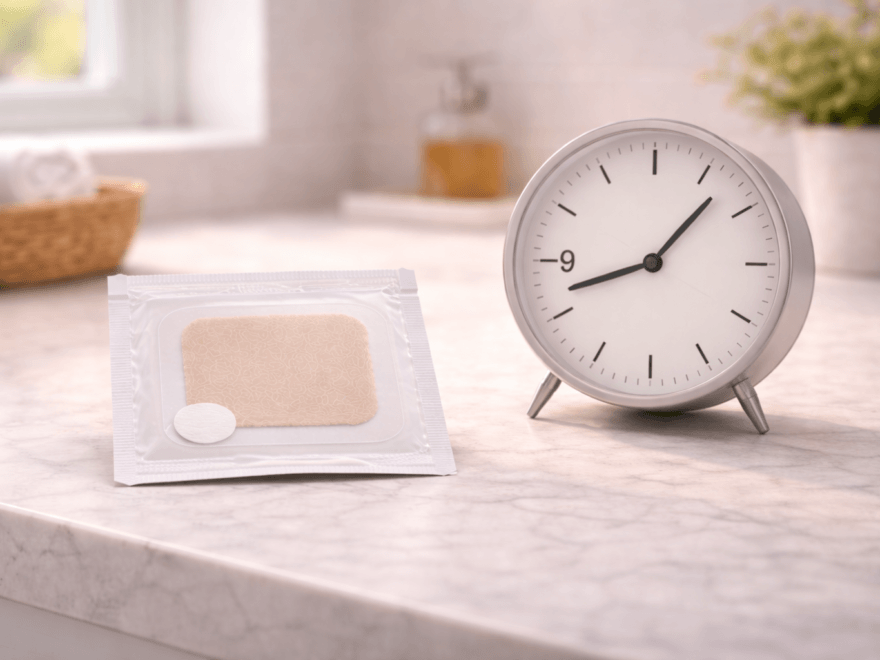
If you’re using a comfort-focused patch, you’ll eventually ask:
How long should I wear a pain relief patch?
And the honest answer is:
- it depends on the product instructions
- your comfort level
- your daily activity
- your skin sensitivity
- and how consistent you’re being
This guide gives general timing ranges, what to track, and how to run a clean test so you can decide based on trends (results vary).
Disclaimer: This content is for general educational purposes and is not medical advice. Always follow the official product instructions. If you have persistent or severe pain, consult a healthcare professional.
Quick start
- Comfort routines + placement tips: Pain Relief Patch Hub →
- New to patches? Start Here →
- Shop: https://mypatchworks.com/product
First: follow the product’s official wear-time guidance
Different patches have different recommended wear times.
So the safest rule is:
✅ follow the official instructions first
✅ then use the tips below to improve consistency and comfort
If you’re unsure, start with a conservative approach and adjust.
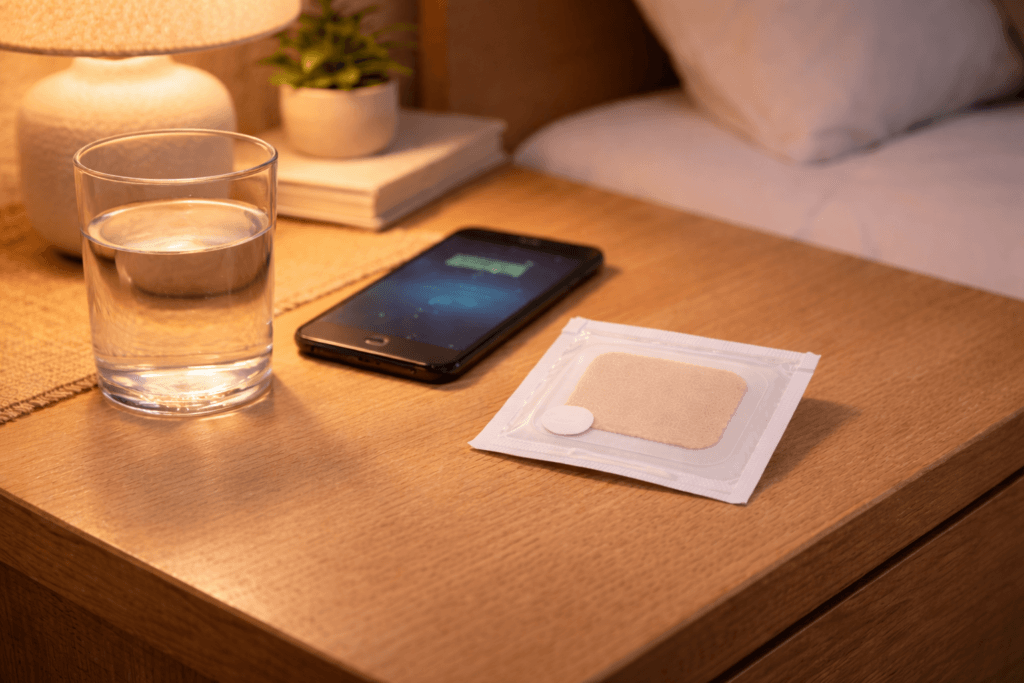
General timing ranges (what people usually do)
Most comfort routines fit into one of these patterns:
Option A: Wear during your highest-discomfort window
Many people have predictable discomfort times, like:
- after sitting all day
- after workouts
- late afternoon
- end of day
A simple strategy:
- apply before your typical “problem window” so you’re consistent.
Option B: Wear for a consistent daily block
If your discomfort is “always there,” the easiest routine is:
- choose a consistent block (morning or afternoon or evening)
- wear it the same way for 7 days
- track outcomes
Consistency gives you a clean test.
Option C: Activity-based use (best for active days)
If your discomfort is tied to activity:
- apply before activity (or after, depending on your routine)
- keep the timing consistent across similar days
- track activity and discomfort together
The most important part: don’t change timing every day
If you wear it for 2 hours one day, 10 hours the next, and skip a day after…
You won’t know what’s helping.
Choose one schedule and commit to it for a week.
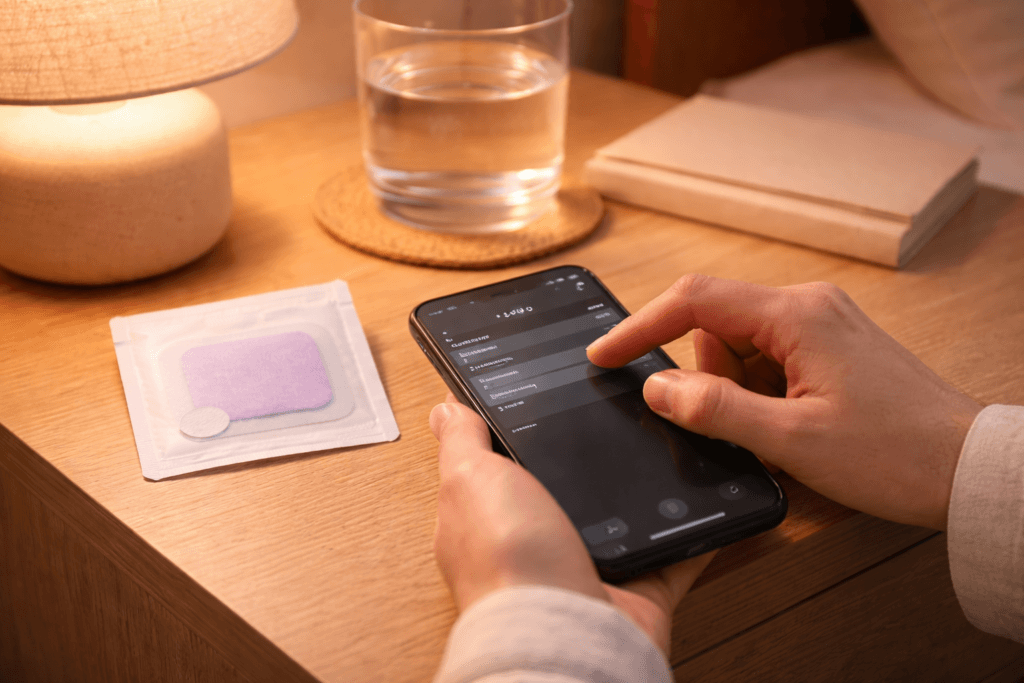
Timing tips that improve results (routine-first)
1) Apply to clean, dry skin
Avoid lotion/oils on the spot.
Press and set edges for 20–30 seconds.
2) Avoid high-friction zones
If it peels early, it’s usually friction or moisture (waistbands, tight seams, sweat).
Placement guidance:
3) Pair with a tiny “comfort reset” habit
This helps many people notice results more clearly:
- 60 seconds easy movement
- 30 seconds gentle stretch
- 6 slow breaths (long exhale)
It’s small, but it makes your routine more repeatable.
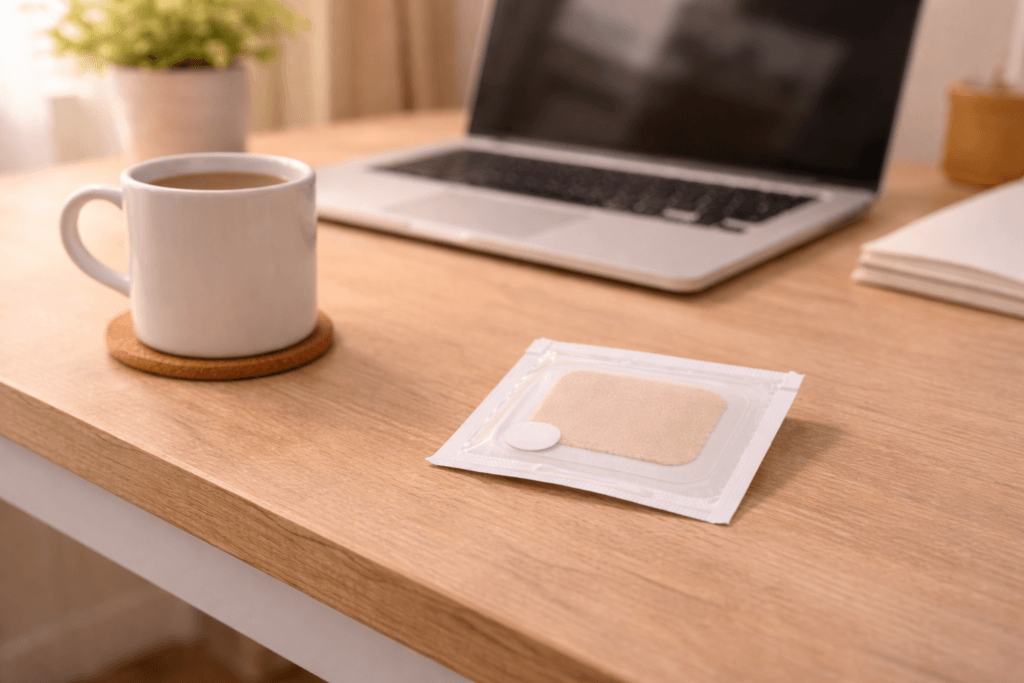
What to track (so your test is clean)
Comfort is influenced by activity — so track both.
For 7 days, track:
- Discomfort level (1–10): ___
- Ease of movement (1–10): ___
- Activity level: low / medium / high
Optional:
- “Trigger today?” (desk day, workout, long drive, etc.)
- End-of-day rating (1–10): ___
This keeps you from blaming the patch for a day that was simply heavier than usual.
How to adjust after 7 days
After a week, choose one adjustment:
- shift timing earlier (before your problem window)
- shift timing later (if discomfort increases later)
- change placement zone (lower friction)
- tighten consistency (same schedule every day)
Avoid changing multiple things at once.
If you’re sensitive to adhesive
If timing is fine but your skin gets irritated:
- shorten wear time
- rotate placement
- remove gently (warm water helps)
- avoid applying to the same spot daily
If you’ve published it:
Bottom line
How long to wear a pain relief patch?
Start with:
- official product instructions
- a consistent daily schedule
- a 7-day test with simple tracking
- one-variable adjustments
Timing matters — but consistency matters more.
Next steps
Disclaimer: This content is for general educational purposes and is not medical advice. Results vary by person.