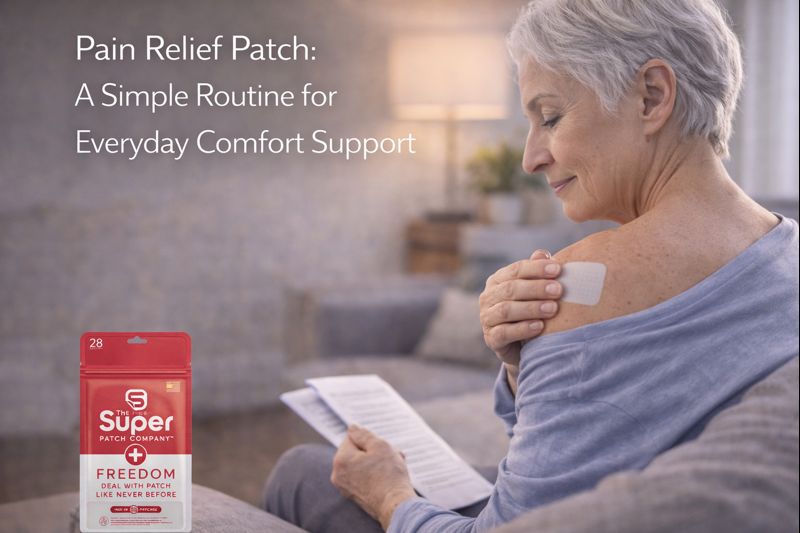
If you’re searching for a pain relief patch, you’re usually trying to answer two questions:
- Where do I put it?
- How do I use it consistently enough to know if it’s helping?
This hub keeps it practical:
- general placement best practices (non-medical, label-first)
- a simple daily comfort routine
- a 5-day starter test (sample pack) with tracking
- how to extend to 7–14 days for clearer trends
Results vary by person.
Start Here (MyPatchWorks Home)
See How It Works (Product Page)
What “better comfort” looks like in real life
Comfort support usually means:
- fewer “sharp” moments
- more ease during normal movement
- less hesitation doing daily tasks
- more consistent activity because discomfort isn’t dominating the day
We focus on functional comfort (what you can do) instead of dramatic promises.

Who this hub is for
This is for you if:
- you want a comfort-support patch to help you stay active
- you want a simple routine (not guesswork)
- you’re comparing patch options (with/without ingredients like lidocaine)
- you want to test without overbuying
Starter combo (recommended)
Start with FREEDOM as your main comfort goal.
Add one support goal only if it matches your situation:
- If stability/mobility is part of the issue → add LIBERTY (balance/stability support)
- If sleep is disrupted by discomfort → add REM (sleep support)
Recommended starter: FREEDOM + LIBERTY
Optional add-on: Add REM if discomfort is affecting sleep
Keep it to 2 goals during your starter test.
General placement tips (label-first, simple rules)
Different products have different directions—so follow the label/instructions first.
These general best practices help most patch users:
1) Clean, dry skin wins
- wash and dry the area
- avoid lotion/oil where the patch will go (it can reduce adhesion)
2) Choose a comfortable, low-friction spot
- avoid areas that rub constantly against tight waistbands or seams
- avoid heavy sweat zones if possible
3) Avoid broken/irritated skin
- do not apply to cuts, rashes, or irritated skin
4) Press firmly for good contact
- press around the edges so it seals and stays consistent
5) Rotate placement if your skin is sensitive
- rotating helps reduce irritation and keeps wear more comfortable
6) If it irritates, stop and reassess
- remove the patch and follow product guidance
- persistent irritation = discontinue and consult a professional
The simple comfort routine (do this daily)
Comfort improves faster when you pair support with a tiny movement routine.
The 3-part daily comfort routine (5 minutes)
- Heat or warm shower (optional) (2–3 minutes)
- Gentle movement (2 minutes):
- easy walk in place, slow stairs, or light stretching
- “Range check” (1 minute):
- note what movement feels easiest and what feels most limited today
The goal isn’t to push through pain. It’s to build consistency and stay aware.
Ready to try?
View Options & Sample Packs (MyPatchWorks Shop/Pricing)
5-day starter test (sample pack)
To test comfort support cleanly, you need consistency and tracking.
For 5 days, keep consistent:
- use the same placement approach (based on instructions)
- use the same daily comfort routine
- keep activity levels similar (don’t change your whole week at once)
Track these 3 metrics daily:
- Comfort score (1–10) (how you feel overall)
- Movement ease (1–10) (stairs, sitting/standing, walking, etc.)
- “Trigger moments” count (how many discomfort spikes you notice)
After 5 days, look for:
- fewer trigger moments
- better movement ease
- higher comfort score
If you see a positive trend and want clearer confidence, extend to 7–14 days.
Troubleshooting (most common problems)
Patch not sticking?
- ensure skin is clean and fully dry
- avoid lotion/oil at application site
- press edges firmly
- choose a lower-friction spot (less rubbing)
Not noticing much difference?
- confirm you’ve been consistent for 5 days
- confirm you’re tracking daily
- avoid changing too many variables at once
- consider whether sleep or stability is the bigger limiter (stack REM or LIBERTY)
Skin irritation?
- remove and discontinue on that area
- rotate placement if directions allow
- follow product guidance; consult a professional if persistent
Recommended next reads
(Internal links on WellnessPatchGuide.com)
- Balance Patch Hub (LIBERTY) →
- Sleep Patch Hub (REM) →
- Where to Place a Pain Relief Patch: General Placement Tips + Best Practices →
- Pain Relief Patch Not Sticking? Adhesion Fixes →
FAQs (answered)
Where should I place a pain relief patch?
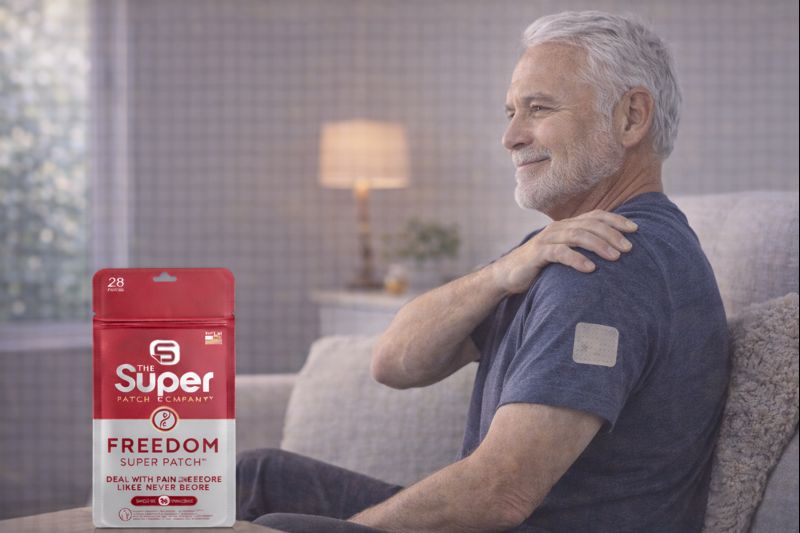
Follow the product directions first. In general, apply to clean, dry skin in a comfortable area with minimal friction. Avoid irritated skin and rotate placement if needed.
How long should I test it before deciding?
Start with a 5-day starter test (consistent placement + tracking). If you see improvement, extend to 7–14 days for clearer trends.
Can I combine goals?
Yes. A common routine is FREEDOM + LIBERTY (comfort + stability). Add REM only if discomfort is disrupting sleep.
What if I don’t feel anything?
Results vary. Track for 5 days and adjust one variable at a time (timing, placement consistency, or support goal).
What if I have a medical condition?
If you have a medical condition, severe pain, or new symptoms, consult a qualified professional before trying new products.
Bottom line
A pain relief patch is most useful when it supports a consistent comfort system:
- label-first placement basics
- a tiny daily movement routine
- a 5-day tracker
- and a clean starter stack (FREEDOM + one support goal)
Start Here (MyPatchWorks Home)
Disclaimer: This content is for general educational purposes and is not medical advice. If you have a medical condition, severe pain, or symptoms that concern you, consult a qualified professional. Results vary by person.