
If you’re searching where to buy patches, you’re probably ready to take action — but you want to avoid wasting money on something low quality or sketchy.
That’s smart.
This guide will help you choose the safest option (online vs local), what to check before you buy, and how to reduce risk — especially if you’re new.
Disclaimer: This content is for general educational purposes and is not medical advice. Patches aren’t intended to diagnose, treat, cure, or prevent disease. Results vary by person.
Quick start
- Not sure what to buy first? Start Here →
- Want a low-commitment starter option? Sample Pack →
- Returns overview: Return Policy + Guarantees →
- Shipping basics: Shipping Times + Tracking →

Online vs local: which is better?
Buying locally (pros/cons)
Pros
- instant purchase (no shipping wait)
- you can inspect packaging
- easy to avoid “unknown seller” marketplaces
Cons
- limited selection
- less routine guidance
- return policies vary by store
- older inventory is possible depending on retailer
Buying online (pros/cons)
Pros
- full selection + bundles/sample packs
- easier to follow a consistent routine (guides, hubs, FAQs)
- clearer tracking + order history
- easier to reorder the same item (consistency matters)
Cons
- you must verify seller legitimacy
- shipping delays can happen
- you need to confirm your address details (unit numbers, etc.)
The “buy safely” checklist (use this anywhere)
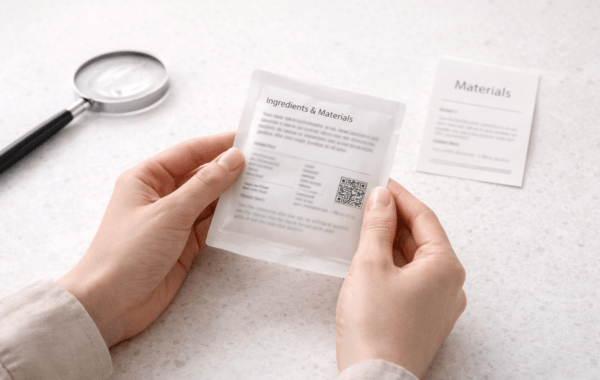
1) Buy from an official source or verified seller
Safest options:
- the official brand site
- an official storefront
- a clearly verified retailer with transparent policies
Be cautious with:
- random marketplace sellers
- listings with unclear branding
- “too good to be true” pricing
2) Check policies before you checkout
A legit seller makes it easy to find:
- return/exchange rules
- what happens if an item arrives damaged
- what happens if a package is lost/returned
- how to contact support
Start here:
3) Confirm shipping + tracking expectations
A trustworthy checkout experience includes:
- order confirmation email
- tracking number
- a clear explanation of common tracking statuses
- guidance on what to do if tracking stalls
Start here:
4) Avoid “miracle claim” marketing
Red flags:
- guaranteed results for everyone
- disease treatment claims
- “works instantly for everything”
Green flags:
- realistic expectations
- results vary language
- routine + tracking guidance
5) Choose consistency over “variety”
Most people get better outcomes by using a simple routine consistently than by constantly switching products.
If you’re new, don’t start with 6 goals.Start with one or two goals, test for a week, and adjust.
What to buy first (if you’re new)
If you’re unsure which patch is right, the simplest move is to start with a sample pack and run a clean 7-day test.
Why this works:
- lower commitment
- clearer testing
- easier to find your best goal combo
What to track so you know you picked the right thing
A clean test is simple:
- pick one main goal (sleep, stress, energy, focus, comfort, mood)
- run the same routine for 7 days
- track 3 signals daily (15 seconds)
That’s how you decide based on trends—not impulse.
Common buying mistakes (and how to avoid them)
Mistake #1: Buying from the cheapest random listing
Fix: prioritize verified sellers + clear policies.
Mistake #2: Not checking return/shipping policies
Fix: read these first:
Mistake #3: Buying too much before testing
Fix: start with a sample pack and a 7-day routine:
Mistake #4: Switching products every day
Fix: keep it consistent for a week so your results are readable.
Bottom line
Where to buy patches?
Choose the option that gives you:
- a trusted seller
- clear return + shipping policies
- consistent access to the same products
- an easy way to test and track
If you want the simplest low-risk start:
Next steps
Disclaimer: This content is for general educational purposes and is not medical advice. Results vary by person.