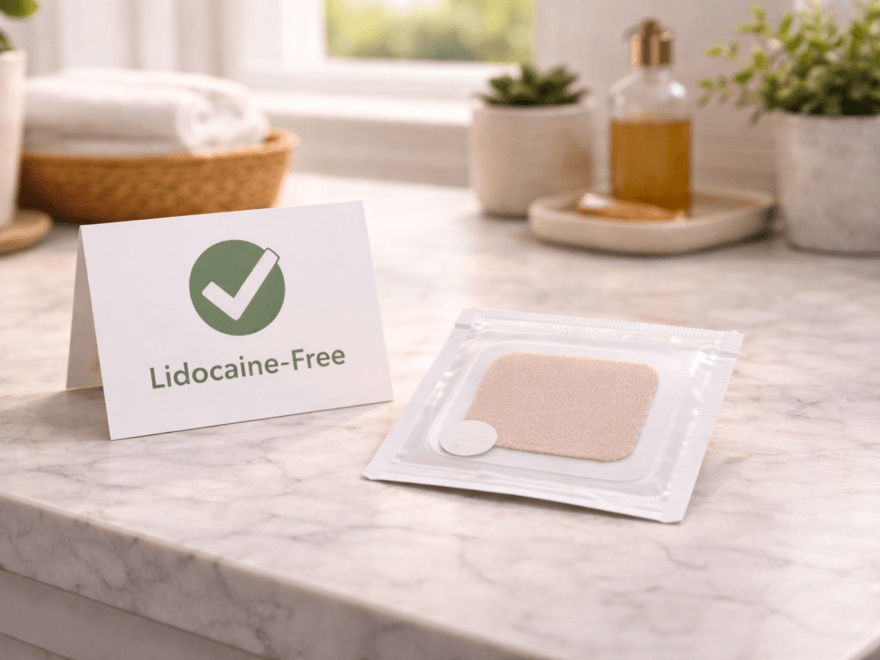
If you’re searching for a pain relief patch without lidocaine, you’re likely trying to avoid one of these issues:
- you don’t want a numbing ingredient
- you’re sensitive to certain topicals
- you want a “routine-based” comfort option
- you want something you can use consistently without guessing
This guide covers what to look for, what to ignore, and how to test a comfort-support patch safely so you can decide based on trends (results vary).
Disclaimer: This content is for general educational purposes and is not medical advice. Patches aren’t intended to diagnose, treat, cure, or prevent disease. If you have persistent pain, new symptoms, or a medical condition, consult a healthcare professional.
Quick start
- Comfort routines and tips: Pain Relief Patch Hub →
- New to patches? Start Here →
- Shop / sample packs & pricing: https://mypatchworks.com/pricing
First: what “without lidocaine” actually means (practically)
Lidocaine is commonly used for numbing. If you’re avoiding it, you’re usually looking for something that supports comfort without relying on numbing.
So instead of chasing “strongest,” look for:
- a comfort routine you can repeat
- placement strategies that reduce friction and irritation
- a tracking method to see whether you’re trending better
That’s the most reliable way to evaluate options.
What to look for (the real buying checklist)
1) Clear positioning and realistic claims
Be cautious with any product that promises:
- instant cures
- guaranteed relief for everyone
- disease-treatment claims
Green flags:
- clear “results vary” language
- routine-based guidance
- expectations that sound realistic
2) Comfort + skin friendliness (you won’t use it if it irritates you)
A patch only helps if you’ll wear it consistently.
Look for:
- materials/adhesive info (especially if you’re sensitive)
- comfort-focused usage guidance
- reminders to rotate placement
If you’re sensitive:
3) Placement guidance (general, not “magic spots”)
The best placement is:
- comfortable
- low friction
- easy to remember
- consistent for a week
Explore comfort placement and routine tips here:
4) A clear return/shipping policy
Comfort products are personal — trust matters.
Before buying, check:
- shipping and tracking clarity
- return/exchange rules
- support contact options
Helpful internal links (if published):
5) A low-risk way to start
If you’re unsure, the smartest first step is usually:
- start small
- run a clean test
- don’t buy a huge bundle before you know what you’ll stick with
- Pricing →
What to ignore (common distractions)
“Best” lists that don’t define the goal
Comfort needs vary. One person wants end-of-day relief.
Another wants easier movement.
Another wants support during desk work.
If a comparison doesn’t clarify the goal, it’s not useful.
One-time use opinions
Comfort changes day to day.
Judge trends over a week.
Overcomplicated stacks right away
Start with one comfort-focused routine first.
Add additional goals only after you see a pattern.

How to test a comfort patch safely (7-day routine)
This is the simplest way to decide without guesswork.
Step 1 — Pick one main “comfort metric”
Choose the one that matters most:
- end-of-day comfort
- ease of movement
- stiffness/tightness
- recovery after activity
Step 2 — Use the same routine for 7 days
Keep consistent:
- timing
- placement zone
- number of patches used
Rotate placement slightly to avoid irritation, but keep it in the same general area.
Step 3 — Track 3 signals daily (15 seconds)
- Comfort level (1–10): ___
- Ease of movement (1–10): ___
- End-of-day stiffness/tension (1–10): ___
Optional add-on if your discomfort affects sleep:
- Sleep quality (1–10): ___
After 7 days, you’re looking for trends — not perfection.
Step 4 — Adjust ONE variable
If results are unclear, adjust one thing:
- timing (earlier vs later)
- placement zone (lower friction area)
- supporting habit (gentle mobility, hydration, posture breaks)
Don’t change everything at once or you’ll lose signal.
A simple “comfort-support routine” that boosts consistency
If you want the highest chance of sticking with it, pair the patch with one tiny habit:
2-minute comfort reset (daily)
- 60 seconds easy walking or movement
- 30 seconds gentle stretch
- 6 slow breaths (long exhale)
Consistency beats intensity.
Bottom line
The best pain relief patch without lidocaine isn’t the one with the loudest claim.
It’s the one that:
- fits a routine you’ll repeat
- is comfortable on your skin
- has clear policies and support
- can be tested cleanly for 7 days with simple tracking
Next steps:
Disclaimer: This content is for general educational purposes and is not medical advice. Results vary by person.